


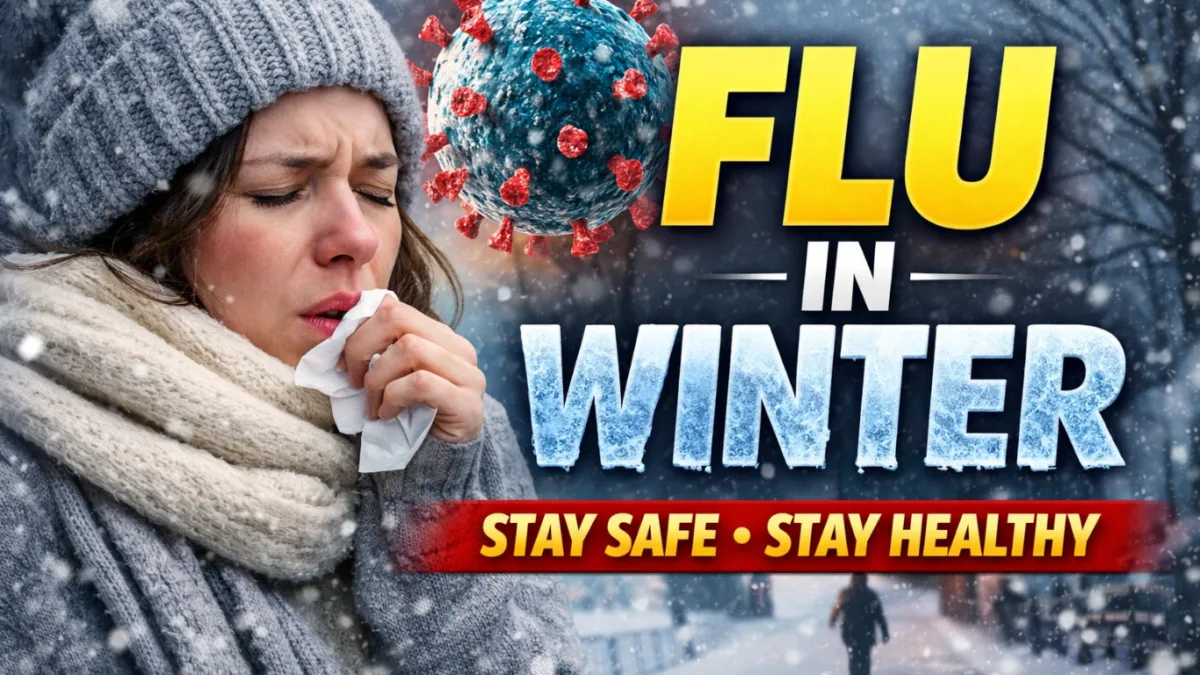
As temperatures drop, cases of flu in winter begin to rise sharply across cities and rural areas alike. Every year, hospitals and clinics witness a sudden surge in patients complaining of fever, cough, sore throat, body aches, and extreme fatigue during the cold months. Health experts say winter creates the perfect environment for the flu virus to spread, making awareness and prevention more important than ever.
Also Read: Suffering From Dry Lips in Winter? Don’t Ignore It—Say Goodbye to Cracks with These Home Remedies
Why Flu in Winter Is So Common
The flu, also known as influenza, is a viral infection that primarily affects the respiratory system. The reason flu in winter becomes more widespread is linked to both environmental and behavioral factors. During cold weather, people spend more time indoors with closed windows, leading to poor ventilation. This allows viruses to circulate easily from person to person.
Cold air also dries out the nasal passages, weakening the body’s first line of defense against viruses. Additionally, low sunlight exposure during winter can reduce vitamin D levels, which plays a key role in supporting the immune system. All these factors together increase the risk of flu infections.
Common Symptoms of Flu in Winter
The symptoms of the flu in winter often appear suddenly and can feel more severe than those of a regular cold. Common signs include high fever, chills, persistent cough, sore throat, runny or congested nose, headache, muscle aches, and extreme fatigue. Some people, especially children, may also experience nausea, vomiting, or diarrhea.
In elderly individuals, pregnant women, and those with existing health conditions like asthma, diabetes, or heart disease, the flu can lead to serious complications such as pneumonia or bronchitis. That is why early diagnosis and proper care are crucial.
How Flu Spreads Faster in Cold Months
Doctors explain that the flu virus survives longer in cold and dry conditions. This makes flu in winter more contagious compared to other seasons. The virus spreads through tiny droplets released when an infected person coughs, sneezes, or even talks. Touching contaminated surfaces and then touching the face, nose, or mouth also increases the risk of infection.
Children going to school, crowded public transport, offices, and winter gatherings further accelerate the spread of the virus.
Prevention Tips to Avoid Flu in Winter
Preventing flu in winter is possible by following simple but effective measures. Health experts strongly recommend getting a seasonal flu vaccine, especially for high-risk groups. The vaccine helps reduce the severity of symptoms even if a person gets infected.
Maintaining good hand hygiene is equally important. Washing hands frequently with soap and water or using an alcohol-based sanitizer can significantly lower the risk of infection. Wearing masks in crowded places, especially when someone has flu-like symptoms, can also help prevent transmission.
A strong immune system plays a vital role in fighting flu viruses. Eating a balanced diet rich in fruits, vegetables, proteins, and warm fluids helps keep the body strong. Adequate sleep, regular exercise, and staying hydrated are essential habits during winter.
Treatment and Home Care for Flu in Winter
Most cases of flu in winter can be managed at home with proper rest and care. Doctors advise patients to take enough rest, drink warm fluids like soups and herbal teas, and avoid cold foods. Over-the-counter medicines may help relieve fever, body pain, and congestion, but antibiotics should not be taken unless prescribed, as flu is caused by a virus.
If symptoms worsen or last longer than a week, medical attention should be sought immediately. Warning signs include difficulty breathing, chest pain, persistent high fever, confusion, or dehydration.
Impact of Flu in Winter on Daily Life
The rise of flu in winter does not only affect individual health but also disrupts daily routines. Schools often report increased absenteeism, offices see reduced productivity, and hospitals face extra pressure due to the influx of patients. For families, caring for sick members during winter can be physically and emotionally draining.
Public health officials emphasize that timely precautions can reduce the overall burden of flu cases during the season.
When to Be Extra Careful
Certain groups need to be more cautious about flu in winter, including senior citizens, young children, pregnant women, and people with weak immunity. For them, even a mild flu can turn serious if ignored. Doctors recommend early vaccination, regular health check-ups, and immediate medical consultation if symptoms appear.
Flu in winter is a seasonal challenge that returns every year, but it does not have to take control of our lives. With the right awareness, preventive steps, and timely treatment, the risk can be significantly reduced. As winter continues, staying informed and cautious is the key to protecting yourself and your loved ones from flu-related complications.