
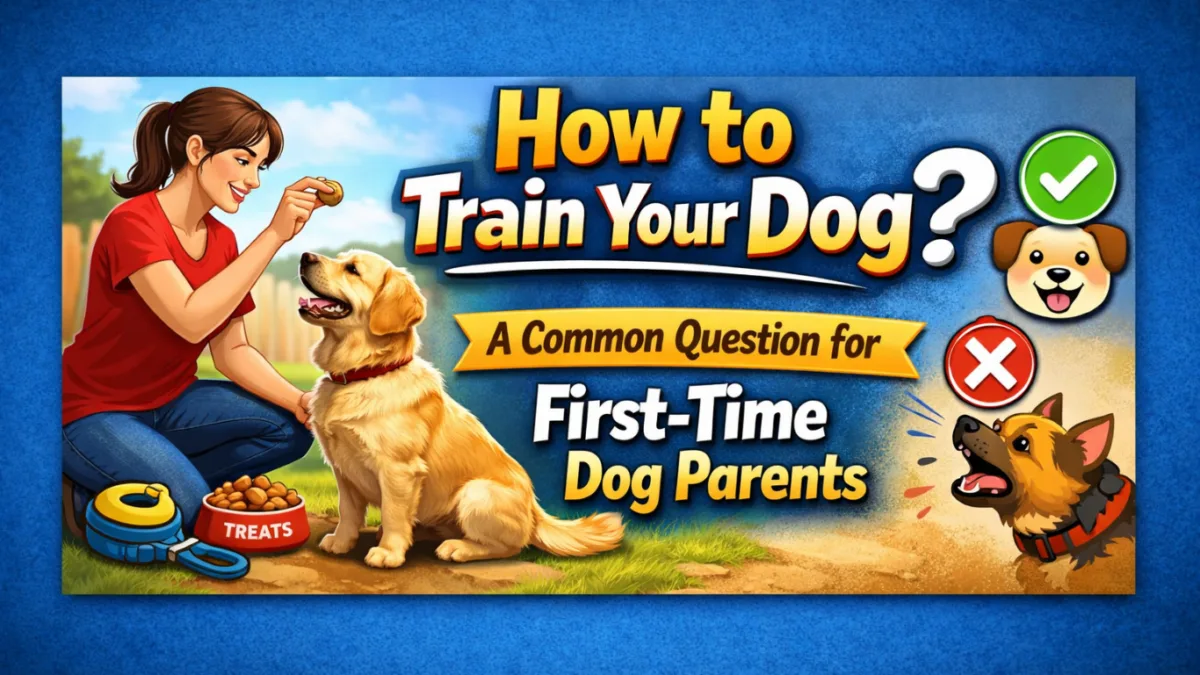
“How to train your dog?” is one of the most common questions among first-time dog parents. Bringing a dog home is a joyful experience, but proper training is what transforms that joy into a lifelong bond. Many new pet owners are confused about where to start, which methods to use, and how long training actually takes. If you’re wondering how to train your dog, this detailed guide will walk you through simple, effective, and humane methods that actually work.
Dog training isn’t about control or punishment. It’s about communication, consistency, and trust. With the right approach, any dog—puppy or adult—can learn good manners and basic obedience.
Also Read: Suffering From Dry Lips in Winter? Don’t Ignore It—Say Goodbye to Cracks with These Home Remedies
How to Train Your Dog: Why Learning Training Is Important for Every Dog
Training helps your dog (How to train your dog?) understand what is expected of them and how to behave in different situations. A trained dog is safer, happier, and easier to manage. It also reduces common problems like excessive barking, chewing, jumping, or aggression.
When people ask, “How do I train my dog?”, the answer always begins with understanding that dogs thrive on structure. Training provides mental stimulation, builds confidence, and strengthens the bond between you and your pet.
Start with the Right Mindset
Before you begin training, remember that patience is key. Dogs don’t learn overnight. Every dog has a different personality, learning speed, and history.
Avoid yelling or using physical punishment. These methods can create fear and damage trust. Positive reinforcement—rewarding good behavior—is the most effective method and widely recommended by trainers and veterinarians.
Short, regular sessions work better than long, tiring ones. Ten to fifteen minutes, two or three times a day, is ideal. Basic Commands Every Dog Should Learn
If you’re learning how to train your dog, start with the basic commands. They form the foundation for all future training.
Sit
This is usually the easiest command to teach. Hold a treat near your dog’s nose and slowly move it upwards. As their head goes up, their body will naturally sit down. Reward them immediately.
Stay
Once your dog has mastered the “sit” command, teach “stay.” Tell your dog to sit, show them your open palm, say “stay,” and take a step back. Gradually increase the distance and time.
Come
This command is crucial for safety. Call your dog by name in a cheerful tone of voice, followed by “come,” and reward them generously when they respond.
Lie Down
This helps calm agitated dogs. Use a treat to guide your dog into the lying down position and reward them when they obey.
Make Potty Training Easier
Potty training is often the biggest concern for new owners. To succeed, you need consistency and attention.
Take your dog outside at regular intervals—first thing in the morning, after meals, and before bedtime. Praise and reward them immediately when they relieve themselves in the right place.
Accidents will happen. Clean the area thoroughly and never punish your dog after an accident. Dogs cannot associate punishment with past actions.
Many people who search “how to train my dog?” struggle with this step, but with routine and patience, potty training becomes much easier.
Socialization is Part of Training
Training isn’t just about commands. Socialization teaches your dog how to behave around people, other dogs, and in new environments.
Gradually introduce your dog to different sounds, places, and experiences. Positive experiences in puppyhood reduce fear and anxiety in adulthood. Well-socialized dogs are calmer, more confident, and less likely to exhibit aggressive behavior. Common Training Mistakes to Avoid
Inconsistent rules confuse dogs. If jumping on the sofa is allowed today but punished tomorrow, your dog won’t understand.
Avoid excessive use of treats and reduce them gradually. Rewards should evolve from treats to praise and affection over time.
Another mistake is expecting too much too soon. If you really want to understand how to train your dog, remember that progress takes time.
When to Seek Professional Help
If your dog exhibits signs of aggression, excessive fear, or fails to respond to basic training, consider consulting a professional dog trainer or behaviorist.
Professional guidance can address specific problems and prevent small issues from escalating.
Final Considerations
Training your dog is a journey, not a single event. It requires patience, consistency, and love. Once you understand how to train your dog, you’ll find that training is as rewarding for you as it is for your pet.
A well-trained dog (How to train your dog?) is not just obedient — he is confident, happy and deeply attached to you. Come today, be regular and enjoy a beautiful relationship that strengthens every lesson.