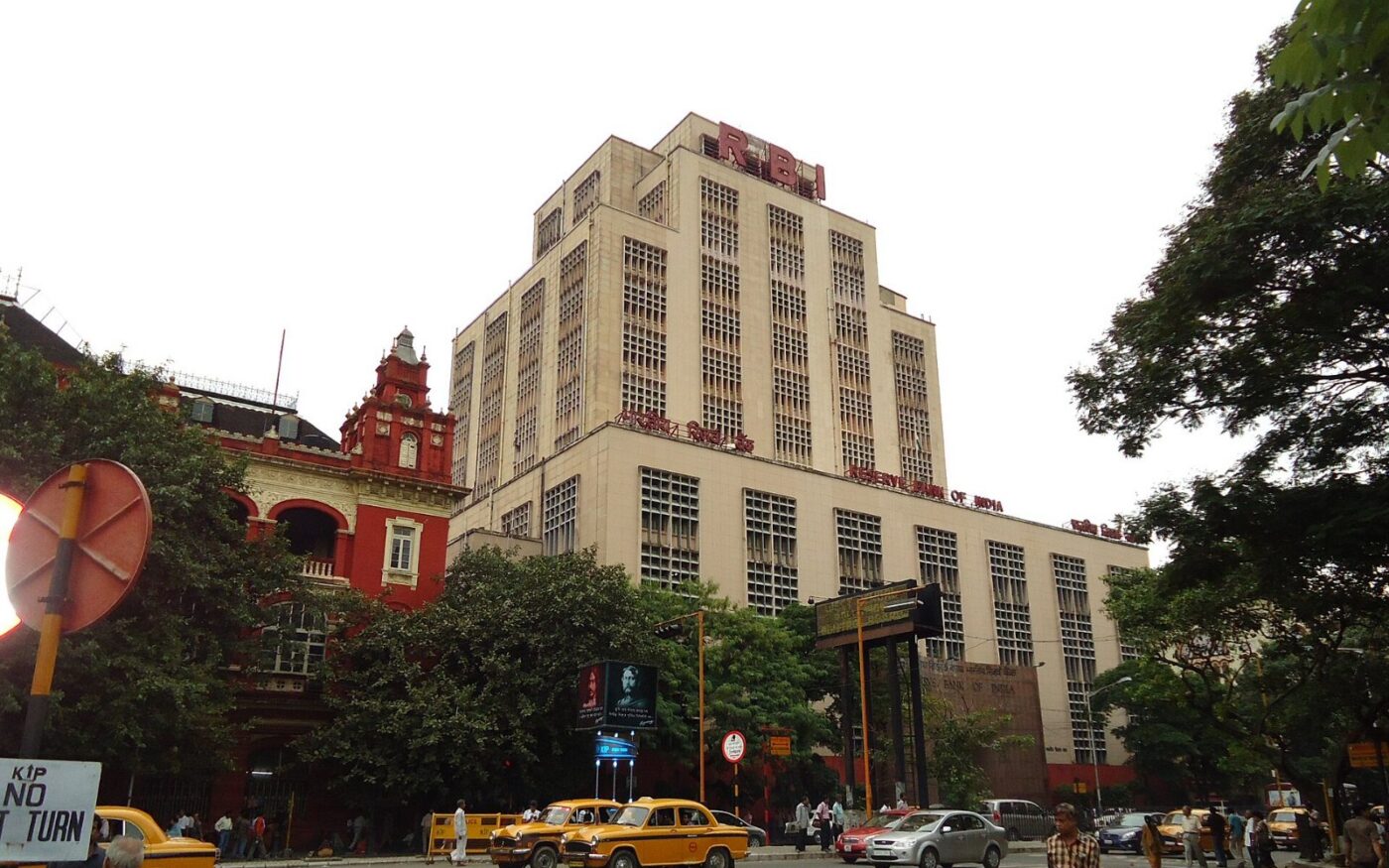
The Reserve Bank of India’s rate-setting panel was united on raising interest rates this month but divided on how loudly to signal more to come, according to minutes of the Monetary Policy Committee (MPC) meeting released on October 21, 2026. The minutes, covering the October 5–7 meeting at which the repo rate was lifted by 25 basis points to 5.50%, landed days after official data showed retail inflation jumping to 5.54% in September — uncomfortably close to the top of the central bank’s tolerance band.
What happened
On October 7, the six-member MPC chaired by Governor Sanjay Malhotra voted unanimously to raise the policy repo rate to 5.50%, its first increase since February 2023. The standing deposit facility rate moved to 5.25%, while the marginal standing facility rate and the Bank Rate rose to 5.75%. The committee also changed its stance from “neutral” to “calibrated tightening”, saying in its resolution that “rate cuts are off the table in the near term” and that the next move could be either a hike or a pause.
The stance change was where the consensus ended. Two external members, Dr. Nagesh Kumar and Prof. Ram Singh, backed the rate increase but voted against moving to a tightening stance. Prof. Singh wrote that he did “not favour shifting the stance from neutral to tightening mode”, arguing that current inflation is largely supply-driven and that growth is moderating. Dr. Kumar, citing trade and geopolitical uncertainty, said a neutral stance “remains appropriate”.
The other four members leaned the other way. Saugata Bhattacharya saw “a strong economic case at this time for tightening monetary policy”, pointing to input price pressures and real interest rates he considered too low. Executive Director Indranil Bhattacharyya argued for acting “in a pre-emptive manner at this juncture rather than wait and watch”. Deputy Governor Poonam Gupta noted that headline inflation could reach the 6% upper tolerance limit and that policymakers “may not want to wait for more definitive evidence of generalisation” of price pressures.
Governor Malhotra pointed to signs that inflation is spreading across the consumption basket, noting that the RBI’s diffusion index of price increases had risen to 37% from 20% in March.
The September inflation print
Data released by the Ministry of Statistics and Programme Implementation (MoSPI) on October 12 showed headline CPI inflation, on the new 2024-base series, rising to 5.54% in September from 4.83% in August. Food inflation, measured by the Consumer Food Price Index, accelerated to 7.74% from 5.97%, UNI reported, citing the official release.
The figure sits well above the RBI’s 4% target, though still inside the 2–6% band set under India’s flexible inflation-targeting framework.
Key figures
- Repo rate: 5.50% (up 25 bps on October 7, 2026); SDF 5.25%; MSF and Bank Rate 5.75%
- Vote on rate: 6–0 in favour of the hike; 4–2 on the shift to “calibrated tightening”
- CPI inflation: 5.54% in September 2026, up from 4.83% in August
- Food inflation (CFPI): 7.74% in September, up from 5.97%
- RBI CPI projection, FY2026-27: 5.2% (Q2 4.9%, Q3 6.0%, Q4 5.7%); Q1 FY2027-28 5.6%
- RBI real GDP projection, FY2026-27: 7.1% (Q2 7.2%, Q3 6.9%, Q4 6.8%); Q1 FY2027-28 7.1%
- Core inflation: 4.2% in August; 2.9% excluding precious metals (per the MPC resolution)
- Next MPC meeting: December 2–4, 2026
Background
The October hike marked a turn from the easing cycle that had carried the repo rate lower. In its resolution, the MPC said inflation and its outlook were “no longer benign”, citing a deficient south-west monsoon, El Niño conditions, high energy and commodity prices, and some evidence of rising inflation expectations. It also flagged volatile crude oil prices linked to conflict in West Asia and tighter global financial conditions. On growth, the committee described the economy as resilient, supported by consumption, investment and exports, and kept its FY2026-27 GDP forecast at a robust 7.1%.
The RBI’s own projection already anticipated inflation climbing to an average of 6.0% in the October–December quarter, so September’s jump was broadly within the committee’s expected path rather than a shock to it.
Perspective: what it means
The minutes suggest the RBI is in the early phase of a tightening cycle but without a fixed destination. The four-member majority framed the hike as pre-emptive — an attempt to stop supply-side price increases from feeding into wages, expectations and core prices. The two dissenters on stance worry that tightening aggressively against food and fuel shocks, which monetary policy cannot fix directly, risks slowing a growth cycle that has held up well.
That split matters for the December meeting. If food inflation eases as winter crops arrive, the minority’s view that incremental, data-dependent moves are enough may gain ground. If price pressures keep broadening into core categories, the majority has already signalled a willingness to go further. For households and businesses, the clear message is that the period of falling borrowing costs has ended for now; lenders are likely to pass on at least part of the higher policy rate to new floating-rate loans, while deposit rates may also edge up.
The September CPI reading, the October data due in mid-November, and the trajectory of crude oil prices will be the main inputs the committee weighs when it next meets on December 2–4.
Sources
- Reserve Bank of India — Minutes of the Monetary Policy Committee Meeting, October 5 to 7, 2026
- Reserve Bank of India — Monetary Policy Statement, 2026-27: Resolution of the MPC, October 5 to 7, 2026
- MoSPI — CPI press release for the month of September 2026
- UNI — Retail inflation rises to 5.54% in September as food prices climb
- Upstox News — RBI hikes repo rate by 25 bps to 5.5%, first increase in three years