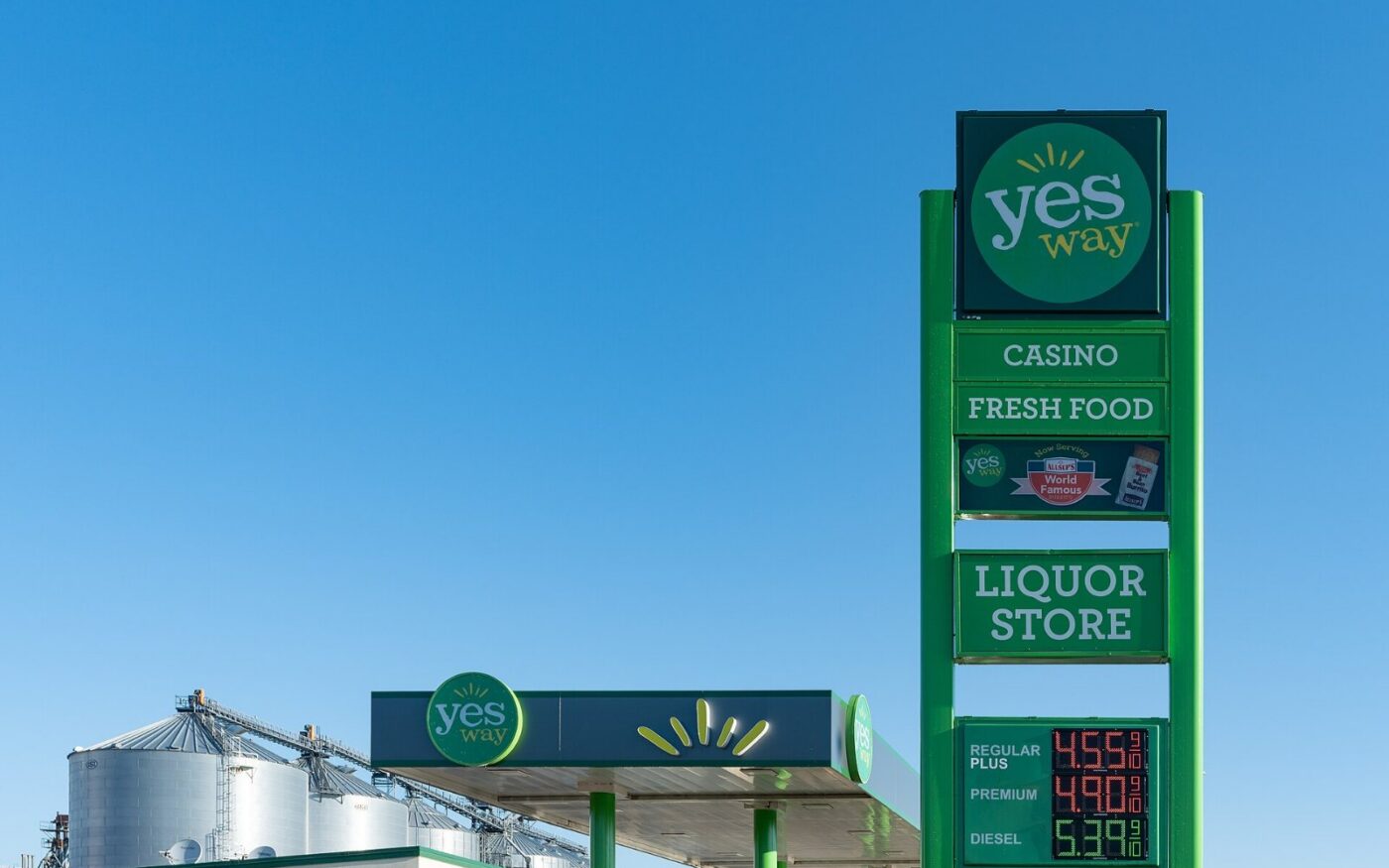
US consumer prices rose faster than expected in September, pushing annual inflation to 3.7% as a surge in gasoline costs rippled through household budgets. The Bureau of Labor Statistics (BLS) reported on October 14, 2026 that the Consumer Price Index for All Urban Consumers climbed 0.6% on a seasonally adjusted basis during the month, up from 0.4% in August. The data arrived two weeks before the Federal Reserve’s October 27–28 policy meeting and less than three weeks ahead of the November 3 midterm elections.
What happened
The 12-month headline rate rose to 3.7% from 3.4% in August, a touch above the 3.6% consensus forecast, according to market estimates compiled by investingLive. Energy did most of the damage: the BLS energy index jumped 5.2% in September and is up 20.4% from a year earlier, with gasoline up 9.1% on the month (seasonally adjusted) and 34.2% over 12 months. Energy accounted for more than half of the monthly increase in the all-items index.
Underlying inflation also firmed, if more modestly. The core index, which strips out food and energy, rose 0.3% in September and 2.6% from a year earlier, compared with 2.4% in August. Forecasters had expected 0.2% and 2.5% respectively. Shelter costs rose 0.4% on the month and 3.2% annually, while food prices were flat in September and 2.5% higher than a year earlier.
Key figures
- Headline CPI: +0.6% m/m (seasonally adjusted); +3.7% y/y (August: 3.4%)
- Core CPI: +0.3% m/m; +2.6% y/y (August: 2.4%)
- Energy index: +5.2% m/m; +20.4% y/y
- Gasoline: +9.1% m/m (seasonally adjusted); +34.2% y/y
- Shelter: +0.4% m/m; +3.2% y/y
- Food: 0.0% m/m; +2.5% y/y
- Fed funds target range: 3.75%–4.00% after a 25 bp hike on September 16, 2026
Background
The Federal Reserve had already shifted gear before this report. On September 16, the Federal Open Market Committee voted 12–0 to raise the federal funds target range by a quarter point to 3.75%–4.00%, its first increase since 2023, stating plainly that “inflation remains elevated” while describing economic activity as “expanding at a solid pace”.
The oil shock behind the energy numbers has been building for months. Newsweek attributed the energy surge largely to the war involving Iran and associated supply disruptions, and cited AAA data showing the national average gasoline price had stayed above $4 a gallon for a record 158 days, even after easing from a peak of around $4.50. The same report noted that recent wage growth of roughly 3% now trails headline inflation, meaning prices have outpaced pay on average over the past year.
After the release, futures-implied odds of another 25 bp Fed hike at the October meeting roughly doubled to 44%, according to CME FedWatch figures cited by Newsweek. The September CPI is also the last reading before the midterm vote; the October report is scheduled for November 10.
Perspective: what it means
The September report captures the Fed’s dilemma in compact form. The headline number is being driven by an external energy shock that monetary policy cannot directly reverse — higher interest rates do not produce more oil. Core inflation at 2.6% remains far closer to the Fed’s 2% goal than the headline rate suggests. On that reading, the case for aggressive further tightening is limited.
The counter-argument is about persistence. A 20% annual rise in energy costs eventually filters into transport, airfares, goods prices and, critically, inflation expectations. The pick-up in core from 2.4% to 2.6% in a single month, and shelter running at 0.4%, hint that some of that pass-through may already be under way. Having hiked in September, the Fed’s challenge is to show it will not let a supply shock become entrenched without overtightening into an economy where real wages are already being squeezed.
For the rest of the world, including India, the report matters through two channels: a more hawkish Fed tends to strengthen the US dollar and tighten global financial conditions, and the energy price trend that drove September’s numbers is the same one weighing on oil-importing economies. The outcome of the FOMC meeting concluding on October 28 will show which side of the argument the Fed has chosen for now.