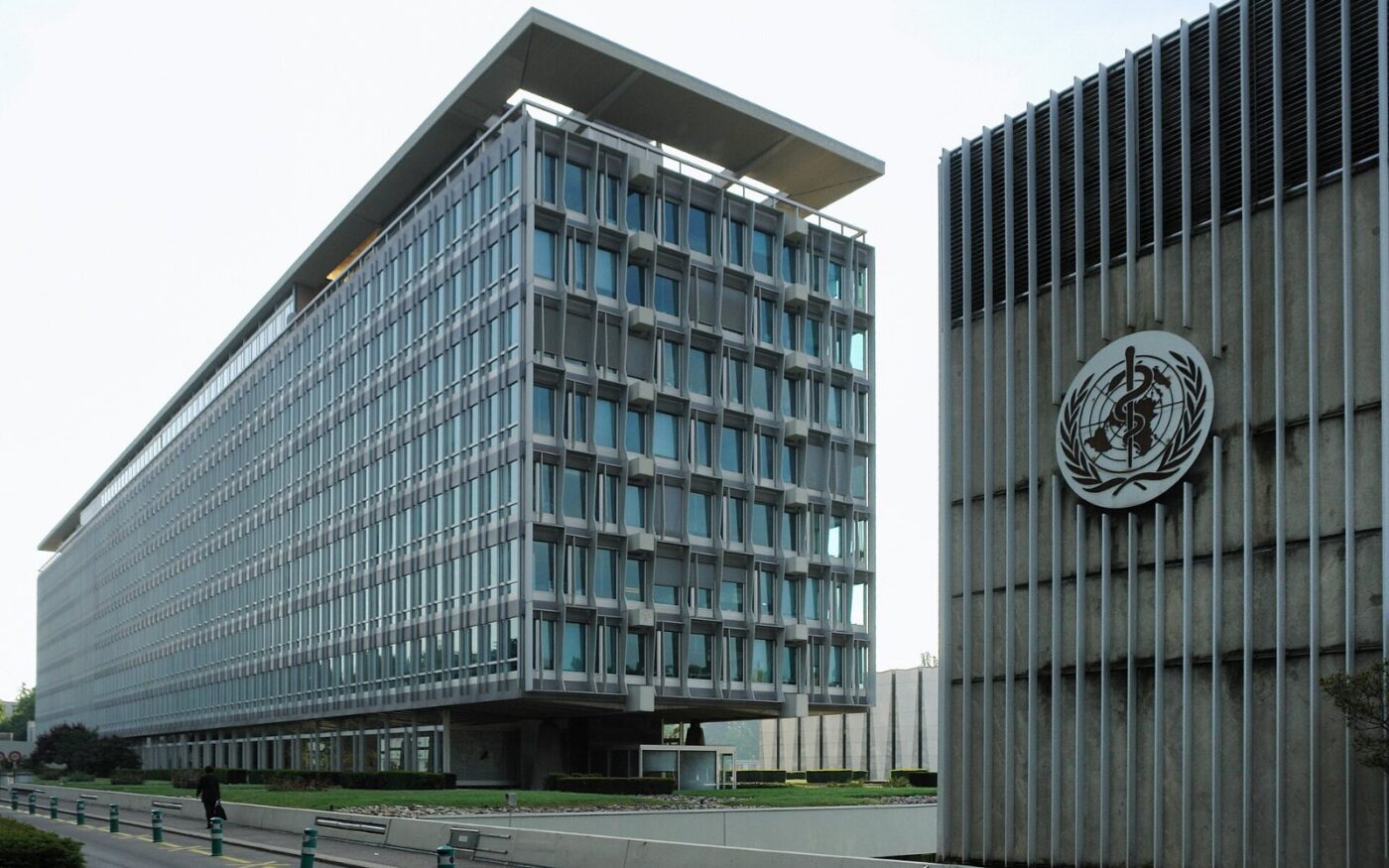
On October 21, 2026, four United Nations agencies published the first global set of priority indicators for tracking how extreme heat harms pregnant women, newborns and children. The World Health Organization (WHO), the World Meteorological Organization (WMO), UNICEF and the UN Population Fund (UNFPA) developed the framework jointly. Its purpose is to help countries see the damage heat does to maternal and child health, which is often missing from health statistics, and to respond to it.
What happened
The guidance, titled Priority indicators to monitor the impact of heat exposure on maternal, newborn and child health, sorts its measures into four areas: routine maternal, newborn and child health monitoring; public health and surveillance systems; climate and health monitoring; and heat-exposure measurement. Each area has core indicators for every country, plus optional ones that countries can adopt if they have the capacity.
WHO recommends that health systems track preterm births, stillbirths, low birthweight, hypertension in pregnancy, child deaths and health-facility visits, and read those figures against heat data. The framework also suggests monitoring school attendance, since extreme heat disrupts children’s education as well as their health. According to Health Policy Watch, the framework has 19 indicators. Air temperature is the baseline exposure measure for every country, and heat index and wet-bulb globe temperature are optional. Some indicators measure policy follow-through, such as whether national heat vulnerability assessments name women and children as distinct at-risk groups.
Dr Pascale Allotey, who leads WHO’s department for sexual, reproductive, maternal, child and adolescent health and ageing, summed up the reasoning: “what health systems do not count, they cannot respond to.” Bruce Gordon, acting director of WHO’s environment and climate change department, said health systems “need the data to recognize this reality and take action.”
Key facts
- Launched: October 21, 2026, by WHO, WMO, UNICEF and UNFPA
- Preterm birth risk: heat exposure is associated with a 26% increase in the odds of preterm birth
- Infant exposure: babies under one year old experienced 389% more heatwave days in 2024 than the 1986–2005 average
- Children exposed: about 1.5 billion children face more frequent, longer or more intense heatwaves
- Policy gap: a WHO-commissioned review of heat-health action plans, cited by Health Policy Watch, found that only 52% named pregnant women as an at-risk group and 39% named newborns
Background
Health effects of heat are usually counted through deaths among older adults and outdoor workers during heatwaves. Effects on pregnancy are harder to see. A stillbirth or a premature delivery during a hot week is rarely recorded as heat-related, so the toll goes uncounted. Preterm birth complications are the leading cause of death among children under five, which means even a modest rise in preterm deliveries during heat events matters for child survival.
The evidence base is also skewed. Health Policy Watch, citing the International Confederation of Midwives, reports that most research on heat and pregnancy comes from high-income countries in temperate climates. Only a small share comes from low-income countries, where exposure is often highest and health systems have the least capacity to adapt. A WHO survey of member states found that most countries mention heat in their national health adaptation plans, but very few set out specific actions for mothers, newborns and children.
Perspective: why it matters
The framework does not fund clinics or cool hospital wards. Its effect depends on whether ministries actually build the indicators into routine reporting. Its value is that it changes what gets measured. Once preterm birth and stillbirth rates are routinely read against temperature, heat stops being only a weather story and becomes something health budgets and maternity services have to plan for.
For India, the guidance is directly relevant. Indian cities and states have been developing heat action plans for more than a decade, but these have mostly focused on public warnings, cooling shelters and outdoor workers. India already collects large amounts of maternal and child health data through its public health system. Adding heat as an analytical lens to that data would let health planners test whether hot spells are followed by rises in premature deliveries or pregnancy complications. That would make a stronger case for practical steps, such as cooler labour rooms, adjusted antenatal visit timings and targeted alerts for pregnant women.
The launch also comes in the run-up to the next UN climate conference, where adaptation finance is again expected to be contested. Clear, comparable data on how heat affects pregnancy and childhood gives countries in the global South a stronger evidence base when they argue that adaptation funding should cover health systems, not just infrastructure.
Sources
- World Health Organization — New global framework launched to track increasing health risks of extreme heat for pregnant women, newborns and children
- World Health Organization — Priority indicators to monitor the impact of heat exposure on maternal, newborn and child health
- Health Policy Watch — WHO launches first global indicators on extreme heat’s toll on pregnant women and newborns
- Onmanorama — How extreme heat impacts pregnant women, newborns?